Since early March 2026, the conflict in the Middle East has continued to escalate, and tensions between the United States and Iran have worsened, causing significant global repercussions, particularly in Southeast Asia. Highly dependent on energy imports and home to a dense network of shipping hubs, Southeast Asia has not only been plunged into a crisis of energy shortages and high inflation but also faces the challenge of rising security risks as extremists seek to exploit the situation. Against this backdrop, drone jammers have become essential equipment for safeguarding critical infrastructure and countering security threats in Southeast Asia. Drawing on the latest developments and real-world case studies, this article analyzes their core functions and offers solutions for regional security protection.
The impact of the Middle East conflict on Southeast Asia’s energy landscape has become fully apparent: restrictions on passage through the Strait of Hormuz have led to supply shortages for 40% of Southeast Asia’s imported crude oil, while the drone attack on Qatar’s Ras Laffan LNG plant—a global hub for liquefied natural gas—has forced it to suspend operations, further exacerbating the region’s already fragile energy supply. These energy shortages pose a direct threat to people’s livelihoods and industrial production.
An In-Depth Analysis of the Attack on Qatar’s LNG Facility:
On March 6, 2026, Iranian drones launched a surprise attack on the facility, forcing Qatar Energy to declare force majeure and suspend all operations. The facility lacked a robust drone defense system, allowing low-cost suicide drones to easily breach its defenses. This incident not only resulted in massive financial losses but also exacerbated global energy fears and further constrained energy supply in Southeast Asia.
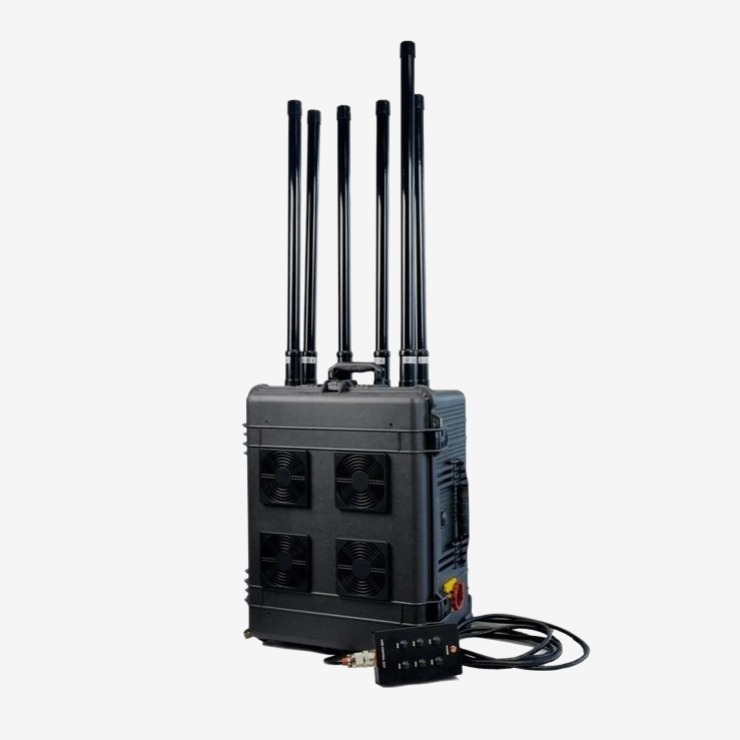
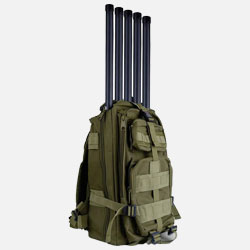
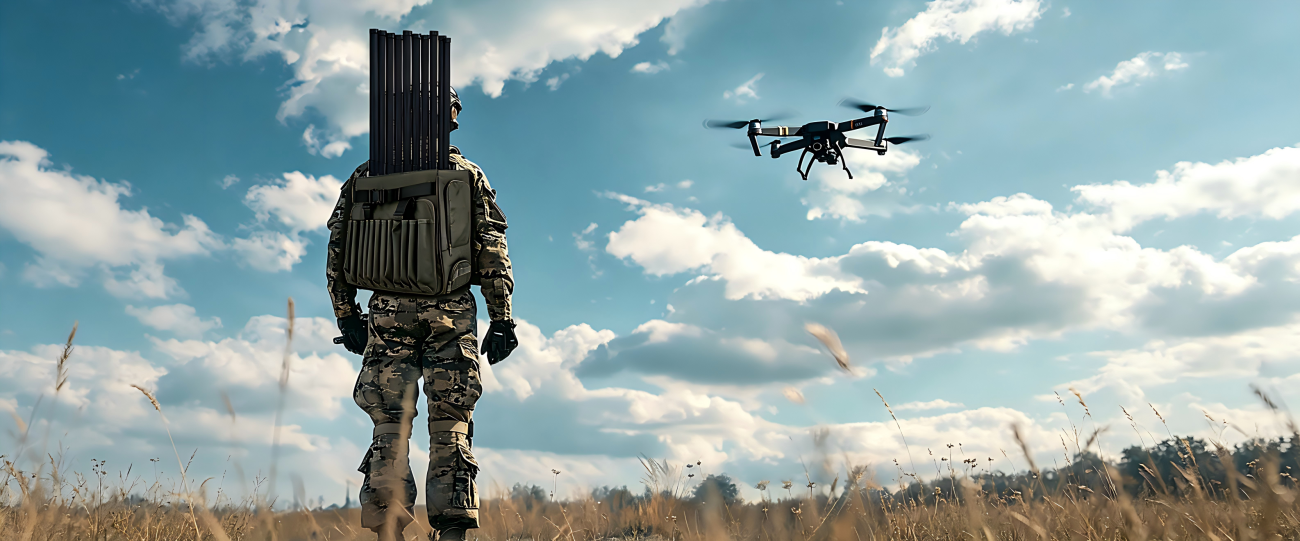
This tragedy serves as a wake-up call for Southeast Asia: the consequences of a drone attack on key shipping hubs such as the Port of Singapore and Port Klang, as well as critical infrastructure including numerous refineries and LNG terminals, would be catastrophic. Therefore, drone security systems must be deployed immediately, with drone jammers serving as the first line of defense. Their core functions are threefold:
1.it precisely intercepts illegal drones to prevent sabotage at the source.
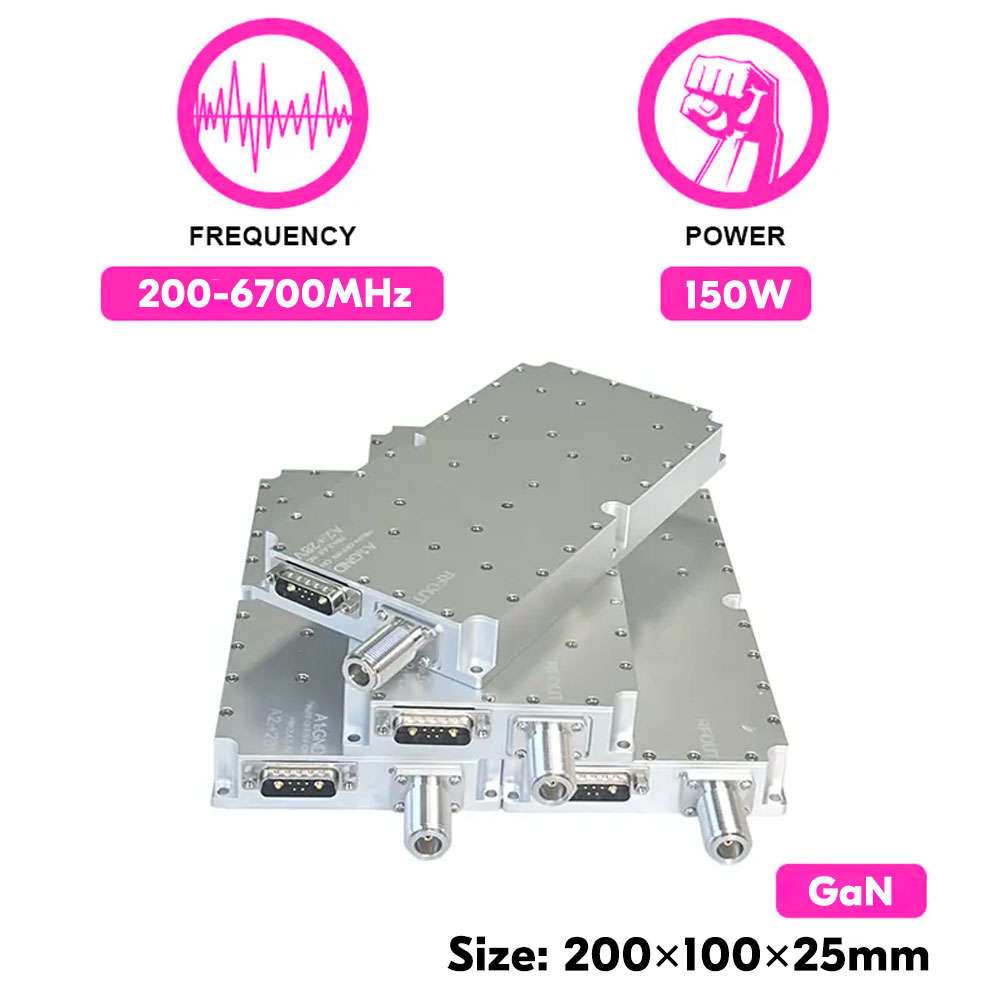
Using technologies such as full-spectrum electromagnetic suppression and GPS spoofing, the drone jammer can quickly lock onto various types of drones, completing signal acquisition within 0.8 to 1.2 seconds, with an interception success rate as high as 99.5%. The jammer prevents drones from approaching critical facilities, thereby protecting them from intrusion and sabotage.
2.it is designed for Southeast Asian environments to ensure round-the-clock protection.
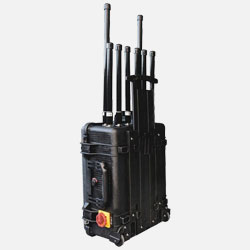
The drone jammer features a military-grade, weatherproof housing that can withstand high temperatures and high humidity. The device is stable and reliable, capable of continuous, stable operation for approximately 2,500 hours, with an overall failure rate of less than 0.3%. It supports long-term outdoor deployment and uninterrupted operation.
3.costs are manageable, and emergency response efficiency is enhanced.
Compared to traditional kinetic interception systems, anti-drone jammers are extremely cost-effective, with individual units priced from just a few thousand to tens of thousands of dollars. They are easy to operate and, when paired with AI-powered target recognition algorithms, can automatically distinguish between legitimate and unauthorized drones, thereby delivering both effective protection and operational efficiency.
Conclusion: For Southeast Asia, deploying drone jammers is an essential safeguard. Not only does this help prevent acts of sabotage by extremists and avert tragedies like the production shutdown in Qatar, but it also establishes a first line of defense for energy security, stabilizes the region’s energy supply, and mitigates the energy shocks caused by the situation in the Middle East.


Leave a comment