
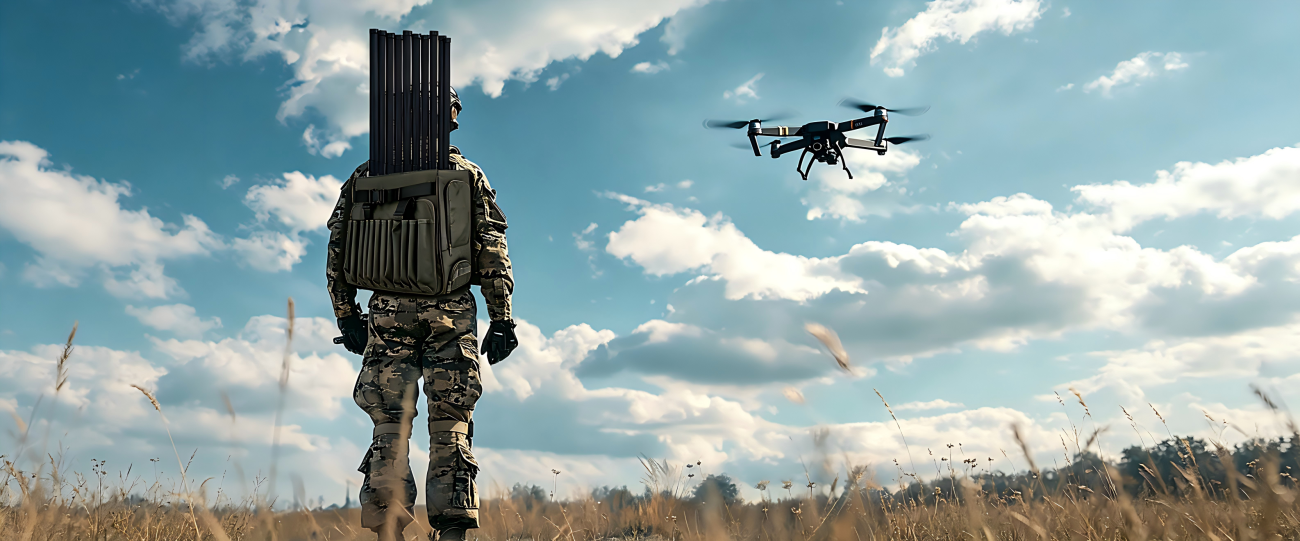
With the rapid proliferation of drones, the issue of “unauthorized drone flights” has become increasingly prominent, posing potential risks to public safety, personal privacy, and on-site order. As a key tool for addressing unauthorized drone flights, the frequency band selected for drone jammers directly determines their effectiveness. So, how should one choose the appropriate frequency band to meet users’ various functional needs?
In fact, the normal operation of a drone relies on three core functional links: navigation, remote control, and video transmission, each of which corresponds to a specific operating frequency band. When selecting a frequency band for a drone jammer, simply targeting these three core bands allows for a “precise strike” against the drone’s signal links.
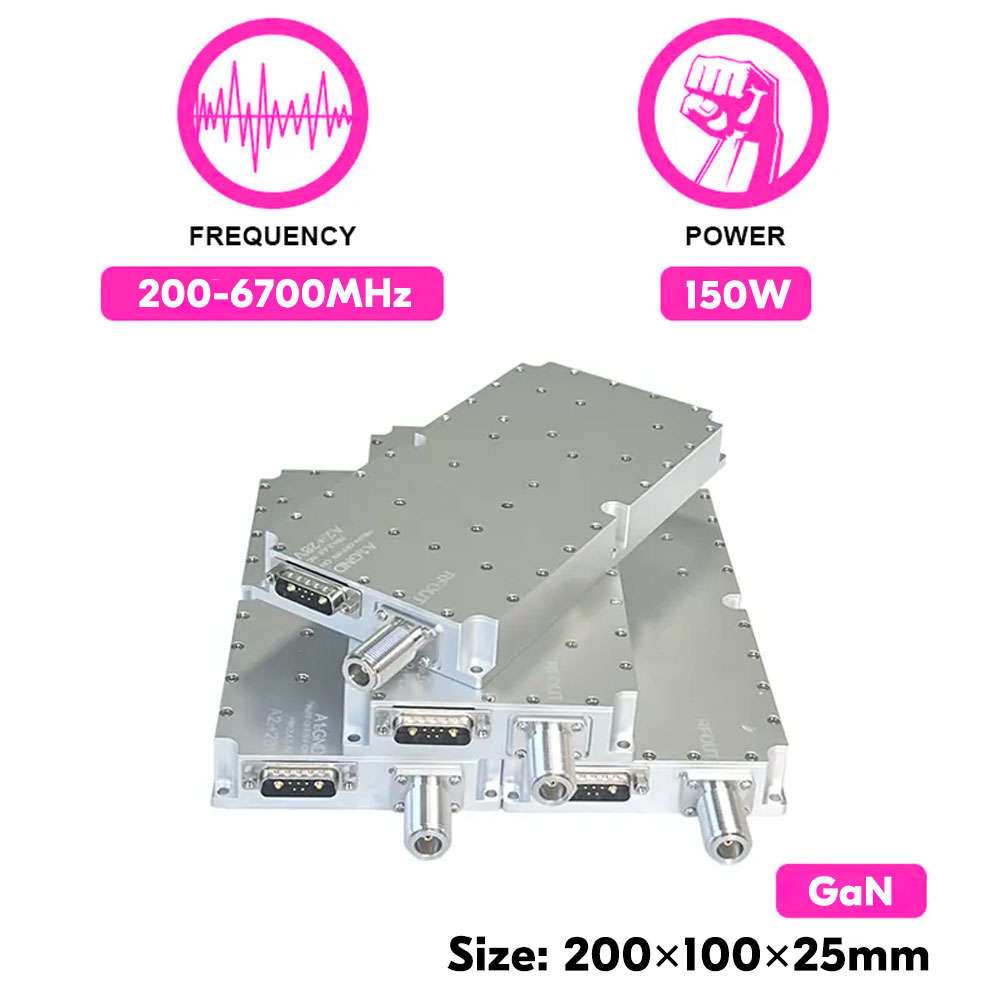
I.1.5 GHz Navigation Band: Disabling the Drone’s “Compass”
The navigation system serves as the drone’s “compass,” relying on signals from satellite navigation systems (such as GPS, BeiDou, and GLONASS) to determine its position, flight attitude, and flight path. Once the navigation signal is jammed, the drone loses its ability to determine its position and cannot fly stably, thereby triggering built-in safety mechanisms that cause the drone to automatically return to base, make an emergency landing, or hover. This is the fundamental step in ensuring the effectiveness of the jamming.
II.2.4 GHz Remote Control Band: Disrupting the Drone’s “Command Channel”
The remote control link serves as the “communication channel” between the drone and the ground operator. The operator uses a remote control to send flight commands (takeoff, landing, turning, and speed adjustment) to the drone, which then executes the corresponding actions upon receiving the commands. Interfering with the remote control frequency band can disrupt the transmission of commands between the remote control and the drone, causing the operator to lose control of the drone. This is a critical step in quickly halting illegal drone flights.
III.5.8 GHz Video Transmission Band: Blocking the Drone’s “Eyes”
The video transmission link serves as the “eyes” of a drone, responsible for transmitting real-time footage and data captured by the drone to ground receivers (such as remote controllers, smartphones, or computers). In the case of unauthorized drones, this link is often exploited to steal sensitive information, such as the layout of restricted areas or the situation at emergency scenes. Interfering with the video transmission frequency band can effectively block the transmission of high-definition video, thereby preventing information leaks. This makes it a critical component of privacy protection and security in sensitive areas.
IV.Comprehensive Frequency Selection Strategy: Choosing the Most Suitable Jammer for Your Scenario
In real-world anti-jamming scenarios, drones rely on three core communication links—navigation, remote control, and video transmission—all operating simultaneously to fly. Therefore, the frequency selection for drone jammers cannot be limited to a single band; instead, it must be tailored to the specific scenario to achieve “full coverage, precise jamming, and minimal interference.”
Conclusion: Choose the right frequency band to maximize the effectiveness of your drone jammer
When selecting frequency bands for drone jammers, the key is to “target the drone’s core communication links: Navigation, remote control, and video transmission are the three “lifelines” of a drone. By locking onto the frequency bands corresponding to these three links and selecting the appropriate frequency band combination based on the specific scenario, you can achieve efficient and precise jamming. Whether you need to ensure daily security, safeguard high-security areas, or respond to emergencies, choosing a drone jammer with the right frequency band combination is the key to solving the problem of “unauthorized drone flights.”
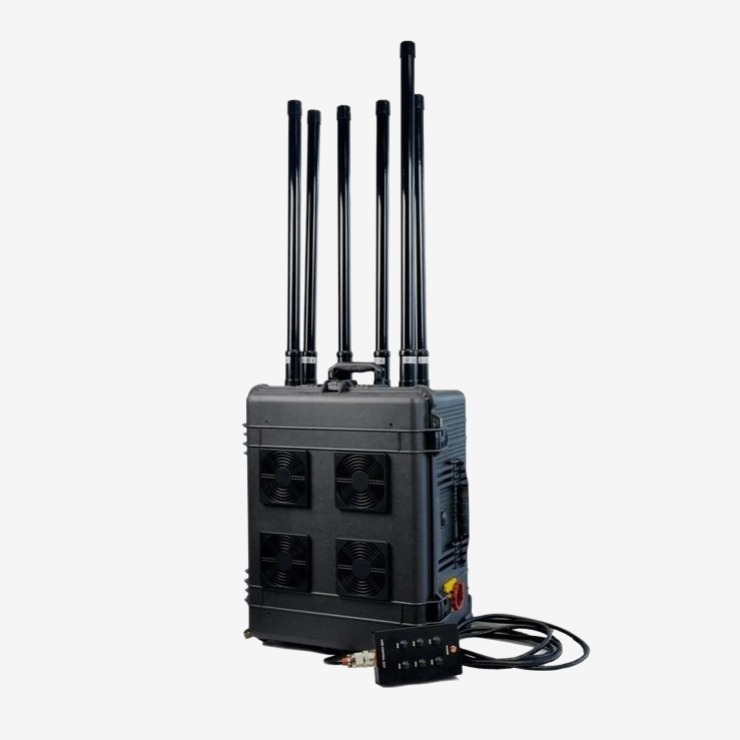
Our drone jammers cover all major core frequency bands and support flexible frequency switching. We can tailor solutions to meet your specific operational needs, providing professional, efficient, and compliant low-altitude safety solutions. Together, we can combat the risks of unauthorized drone flights and safeguard public safety and privacy.

Leave a comment