
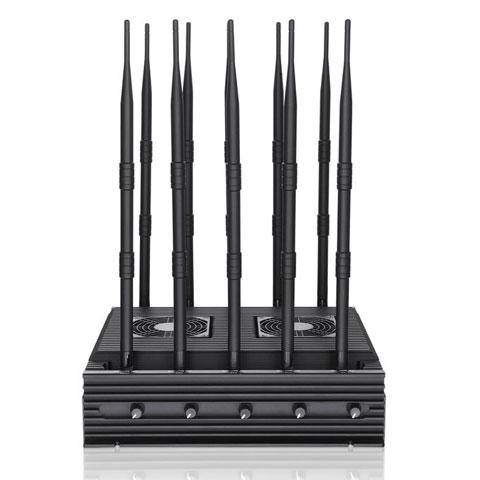
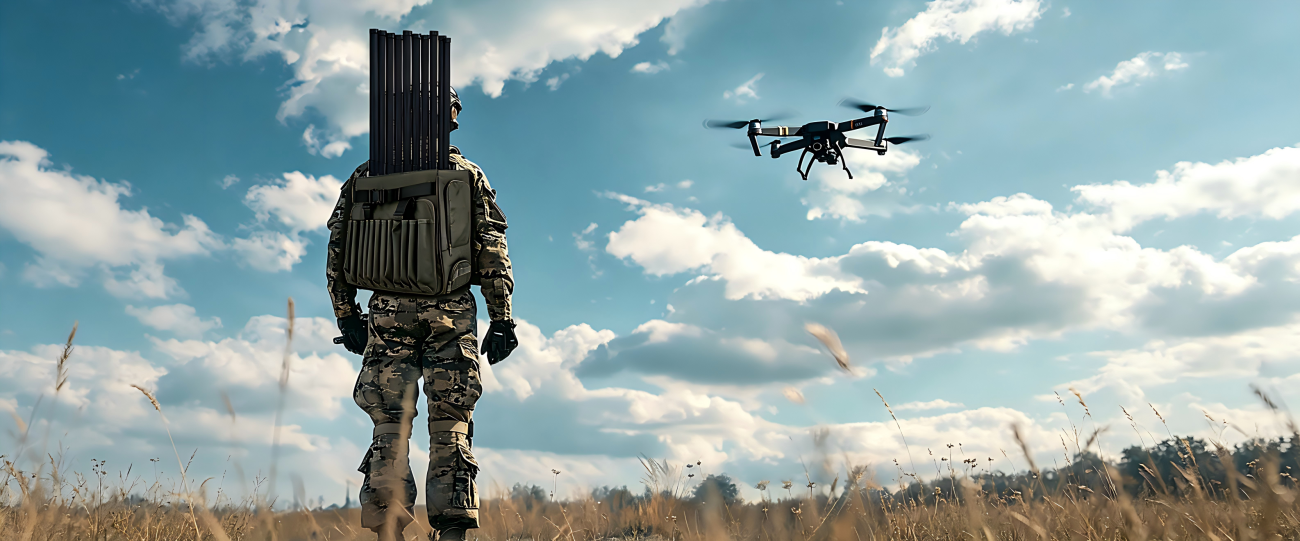
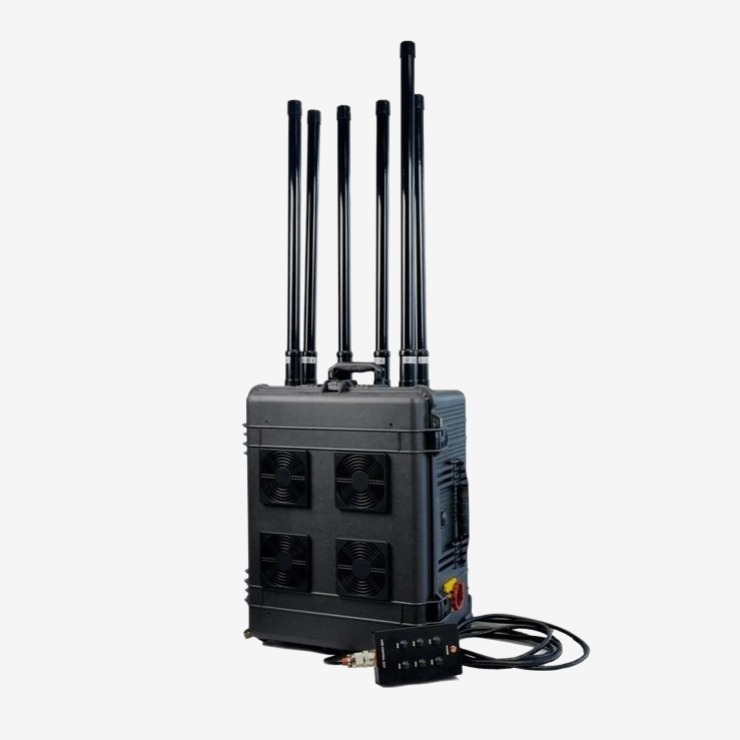
With the rapid advancement of drone technology today, whether on private property or at critical security sites, drone jammer are no longer the mysterious “black technology” seen only in movies and TV shows; they are gradually entering the public eye. However, most people still have questions about how these devices—which look like “signal guns” or small boxes—actually render drones in flight inoperable.
Simply put, drone jammer do not bring down drones through physical attacks; instead, they engage in a “signal battle.”
1. Core Principle: Signal Blocking to Disconnect the Drone
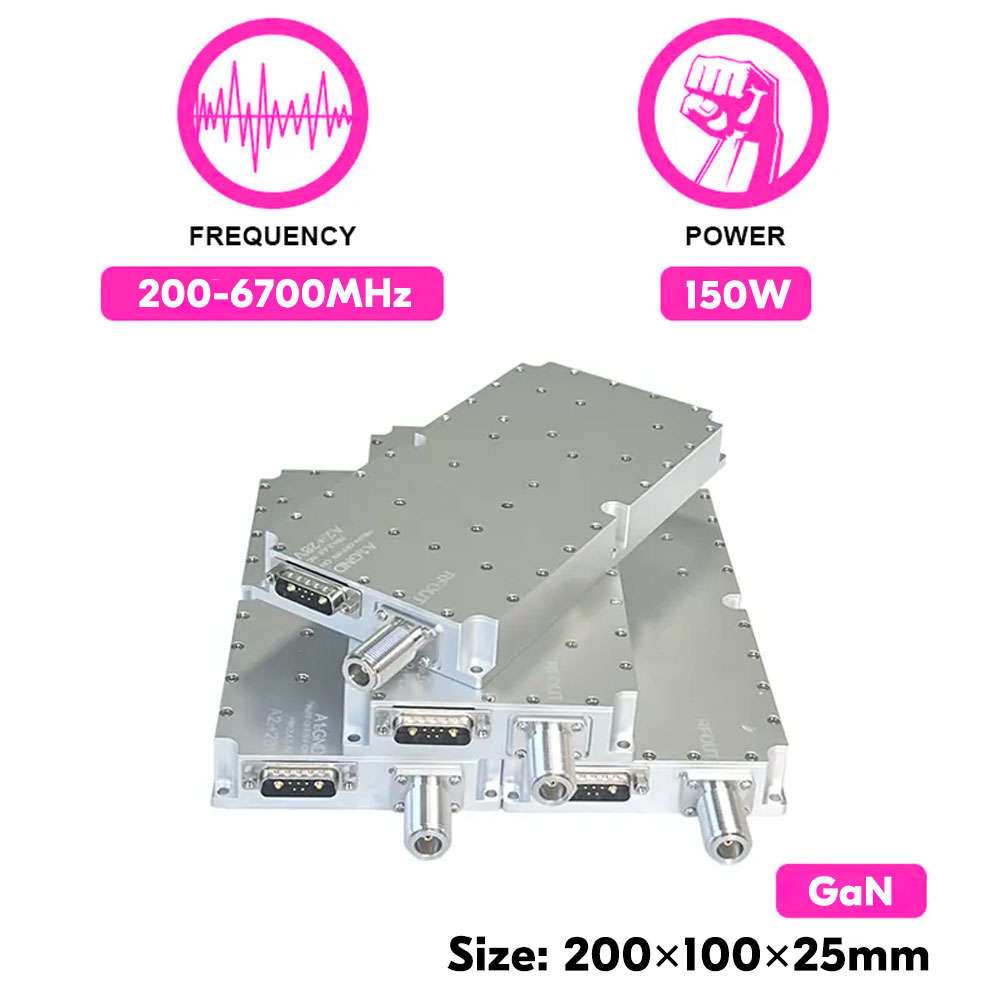
Drones primarily rely on remote control signals to perform flight operations and other functions. These signals typically operate in the 2.4GHz and 5.8GHz (control and video transmission) bands, as well as the GPS (navigation) band. Jammers emit powerful, chaotic electromagnetic waves that directly overwhelm these legitimate control signals. As a result, the drone cannot receive valid and accurate commands, causing it to lose control.
2. Cutting Off the “Nerve Center”: Causing the Drone to Lose Its Way or Disconnect
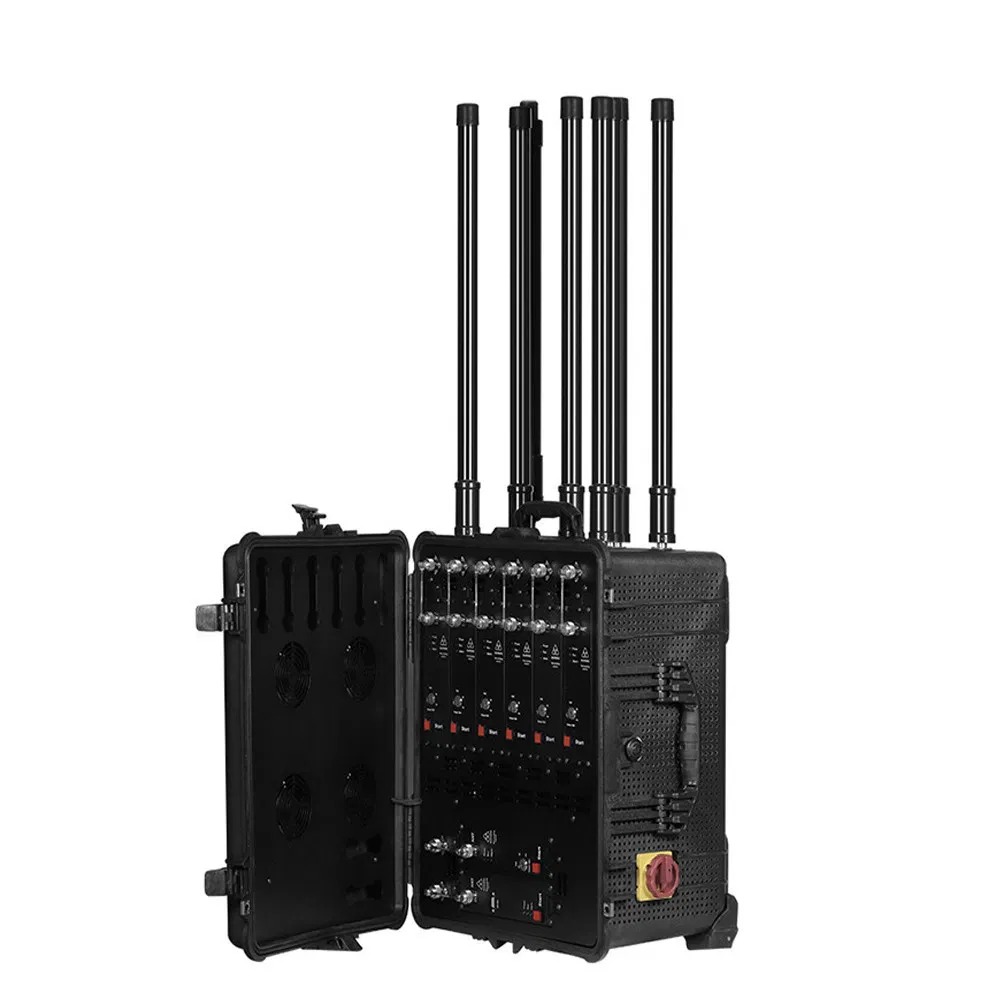
At the operational level, jammers typically perform two functions on drones:
Making them “lose their bearings”: Drone jammers target satellite navigation bands such as GPS and Beidou. Once the signal is cut off, the drone cannot determine its coordinates. When navigation is lost, most drones trigger preset safety protocols—hovering in place or returning to base—for safety reasons.
Cutting Off “Command”: The vast majority of consumer-grade drones communicate with the remote controller via the 2.4 GHz or 5.8 GHz bands. Once a jammer precisely “clutters” these bands, the pilot’s controller will no longer be able to effectively control the drone, the remote screen will go black, and video transmission will be interrupted.
3. What happens to a drone after it’s jammed?
Many people worry that once a jammer causes a drone to lose connection and become uncontrollable, it will simply crash and injure someone. In reality, there’s no need for such concern. Drones are designed with “loss-of-control protection” logic built into their systems. When a jammer takes effect, drones typically exhibit one of the following three responses:
Landing in place:
Having lost all signals, it will choose the safest method to land vertically.
Return to Home (RTH):
If the GPS signal remains intact but remote control is lost, the drone will attempt to fly back to its takeoff point.
Drifting with the wind:
This is the most dangerous scenario—the drone is completely out of control, behaving like a kite with a broken string, making its trajectory unpredictable.
4. Why does the effectiveness of jamming vary by location?
Jammers are not infallible; their effectiveness depends on the “distance ratio.”
If you carry the jammer very close to the drone while the pilot is far away, the jammer is effectively shouting right in the drone’s ear, making it highly effective. Conversely, if the drone is right above the pilot’s head but the jammer is hundreds of meters away, even the most powerful jammer will struggle to make an impact. Additionally, the electromagnetic environment in cities and obstructions from buildings act like “walls” blocking the signal, affecting the jammer’s actual performance.
In summary, a drone jammer is essentially an electromagnetic shield. By utilizing the principle of energy suppression, it forcibly cuts off the drone’s navigation and communication links, instantly transitioning the drone from a “controlled state” to “forced disconnection.” It serves as the most direct digital defense line for protecting privacy and security.

Leave a comment